A Strategic Guide to Selecting the Top Social Media Platforms for Your Audience in 2026
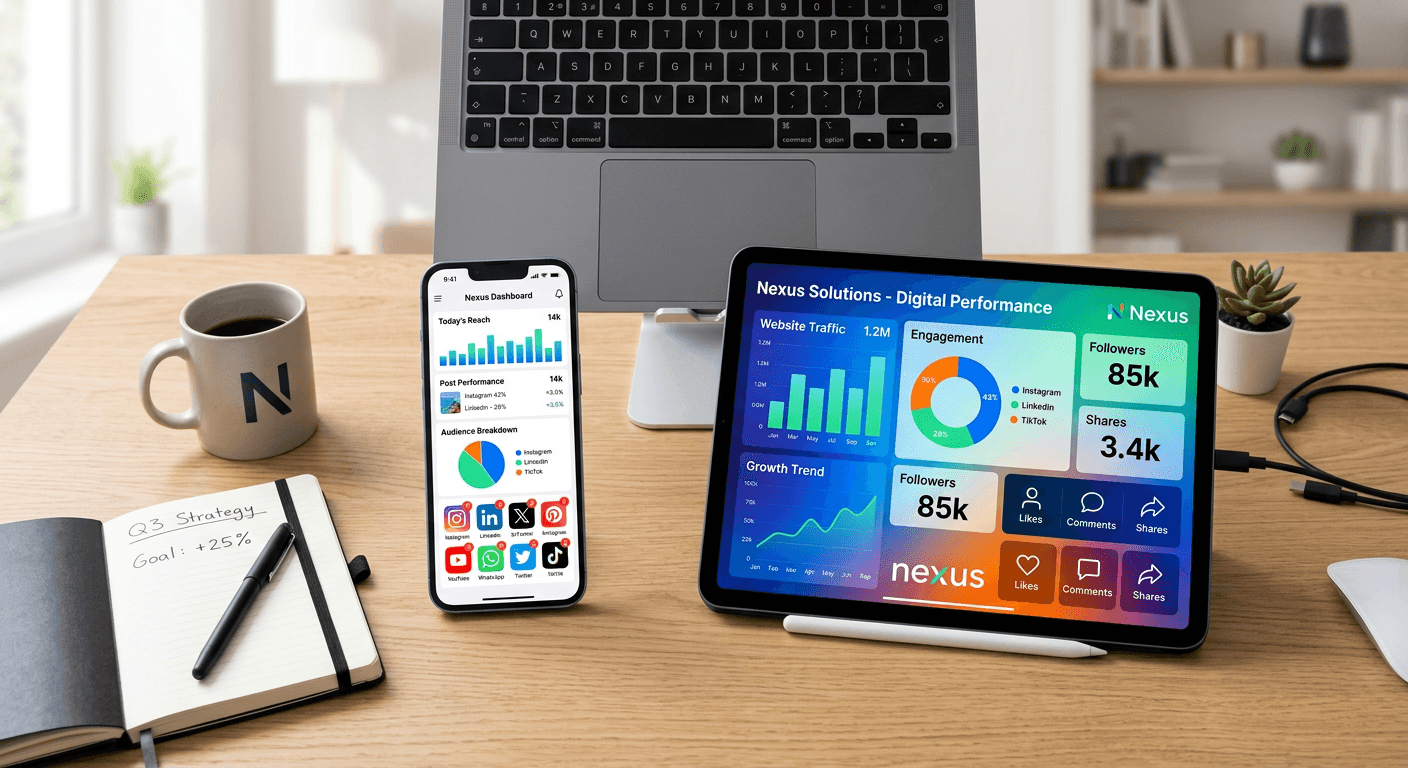
Selecting the correct digital footprint is a foundational step for any modern professional or enterprise. With billions of active accounts globally, understanding how many social media users exist across various networks is less important than identifying where your specific target demographic spends their time. Whether you are a creative professional or an online shop owner, concentrating your efforts on the most effective channels prevents resource dilution and ensures a higher return on your marketing investment.

Quick Summary {#quick-summary}
Choosing the best social media platforms requires aligning your brand goals with the specific behaviours and preferences of your target audience. Success stems from platform-audience fit rather than attempting to maintain a presence on every available network. Focus on high-intent channels to drive traffic and engagement effectively.
- Analyse demographic data to identify platform overlap.
- Prioritise platforms that support your specific content format.
- Use a centralised hub to manage cross-channel traffic efficiently.
- Evaluate engagement metrics to refine your digital strategy.
Table of Contents {#table-of-contents}
- Understanding Your Target Audience
- Evaluating Social Media Demographics
- Selecting the Best Social Media Platforms
- Implementing Your Multi-Channel Strategy
- Common Pitfalls & Troubleshooting
- FAQ
- Recommended Reads
Understanding Your Target Audience {#understanding-your-target-audience}
Before you commit to specific social media channels, you must define the psychographics and habits of your ideal customer. A common mistake is assuming that volume equals value; however, reaching a large audience that is uninterested in your offerings is a waste of time and budget. Start by creating a detailed profile of your audience, noting their age, professional interests, and preferred content types. Are they visual learners who prefer short-form video, or are they researchers who value long-form articles and white papers?
Once you have defined your audience, look for their digital footprint. Examine where they congregate to discuss industry trends or discover new products. If you are operating a business, you might find that your audience prefers professional networking spaces over casual entertainment apps. By grounding your strategy in data-driven personas, you can ensure that your content reaches people who are primed to convert, much like how one might use branded landing pages to consolidate a fragmented online presence.
Evaluating Social Media Demographics {#evaluating-social-media-demographics}
Social media demographics fluctuate as user preferences shift, making it essential to audit your chosen channels annually. While established platforms remain dominant, keeping an eye on new social media platforms is wise for early-mover advantage in niche communities. Platforms that skewed younger five years ago may now have a much broader age representation, changing the nature of how content is consumed on those channels.
Consider the distinction between platforms built for discovery and those built for maintenance. Discovery-focused networks often reward high-frequency posting and trend adoption, whereas maintenance-focused channels are better suited for deep-dive content and community building. Understanding these nuances helps you allocate your time efficiently. When evaluating the top 10 social media platforms, assess them based on whether their user base aligns with your customer acquisition goals rather than just their raw popularity.
Selecting the Best Social Media Platforms {#selecting-the-best-social-media-platforms}
When determining the best social media platforms for your specific objectives, follow a structured decision-making process. First, assess the content requirement for each channel. If your business relies on high-quality photography or design, visual-centric platforms are non-negotiable. If you provide B2B services, text-heavy professional networks will likely yield better lead generation results.
Next, evaluate the technical barrier to entry and the time commitment required for success. Some business social media platforms demand daily updates and community management to remain relevant in the algorithm. Others allow for more evergreen content that provides value over months. You must choose a balance that matches your team’s capacity. Remember that an abandoned profile can harm your brand reputation more than not being on the platform at all.
Pro Tip: Never attempt to master every platform simultaneously. Start by dominating one primary channel where your audience is most active, then gradually expand to a secondary platform once you have established a consistent content workflow and tracking mechanism.
Implementing Your Multi-Channel Strategy {#implementing-your-multi-channel-strategy}
Once you have selected your channels, the implementation phase begins with establishing a unified brand presence. This involves standardising your bio, visual assets, and voice across all networks. A fragmented digital presence confuses potential customers, making it harder for them to move from your social posts to your primary sales or service pages. Implementing a digital business card or a central link-in-bio tool can provide a cohesive experience for your followers.
Consistency in content delivery is the next step. Create a content calendar that respects the unique tone of each platform while maintaining your core brand message. Monitor your analytics closely to see which posts drive actual traffic rather than just passive likes. If a specific platform is not delivering the expected engagement after a trial period, do not be afraid to pivot and reallocate those resources elsewhere.
Common Pitfalls & Troubleshooting {#common-pitfalls-&-troubleshooting}
One of the most frequent errors is 'platform burnout', where users spread themselves too thin and produce low-quality content. If your engagement rates are stagnant, pause your efforts on the least effective platforms and audit your content strategy. Check if your messaging aligns with the platform culture; content that works on a professional network often feels out of place on a creator-led visual app.
Another pitfall is ignoring data analytics. Without tracking, you are guessing which strategies work. Ensure that you are measuring metrics that correlate to your business outcomes, such as link clicks and lead sign-ups, rather than vanity metrics like follower count alone. If you struggle to track cross-channel traffic, ensure you have set up proper tracking pixels or URL parameters to gain visibility into your audience's journey.
FAQ {#faq}
- How many social media users should I try to reach? Focus on the quality of the audience within your niche rather than the total number of social media users. Even a small, highly engaged following is more valuable than a massive, disengaged one.
- Should I prioritize new social media platforms over established ones? Not necessarily. While new platforms offer less competition, established networks provide mature advertising tools and predictable reach. Balance your time between reliable traffic sources and emerging opportunities.
- How do I know if my chosen channels are working? Regularly review your analytics dashboard to track engagement, reach, and click-through rates. If your chosen channels aren't driving users to your website or contact points, it is time to refine your strategy.
- Can I use the same content across all social media channels? While you can repurpose the core message, you should tailor the format, tone, and visual style to suit the specific environment of each platform to ensure it resonates with the local audience.