Best Social Media Management Tools for British Businesses in 2026
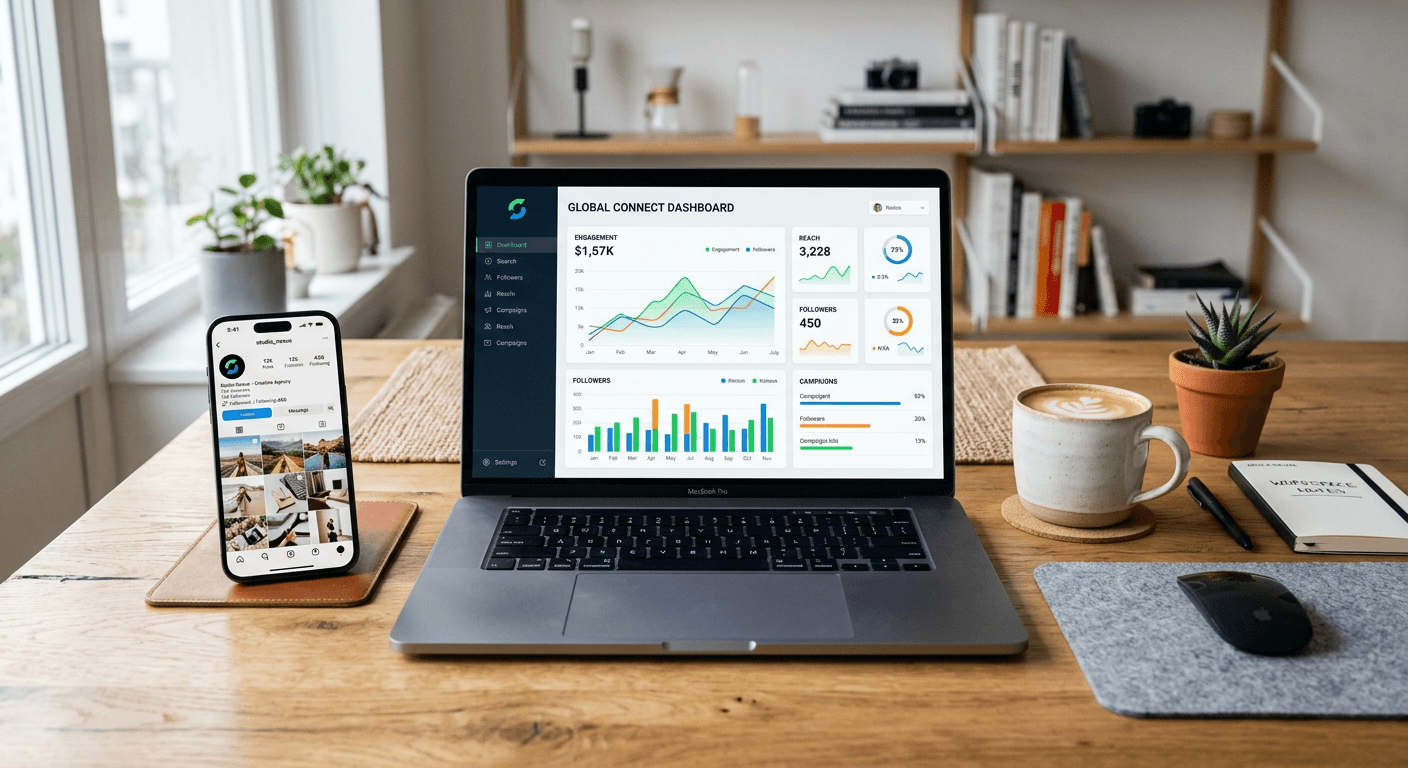
Selecting the right social media management software is a pivotal step for British creators, freelancers, and growing online shops aiming to streamline their digital presence. Navigating the crowded landscape of social media management platforms requires a clear understanding of your specific workflow, whether you prioritise high-level automation or granular reporting. Effective tools go beyond simple scheduling; they act as a central hub for audience engagement, brand consistency, and performance analysis, allowing you to maintain a professional output without dedicating your entire day to manual updates.
Quick Summary {#quick-summary}
Social media management software encompasses integrated digital suites designed to schedule posts, engage with followers, and track performance metrics across multiple networks. These tools facilitate efficient content distribution, helping businesses centralise their online identity and optimise audience reach through automation, reporting, and unified communication streams.
- Streamline content calendars across multiple social networks.
- Automate posting schedules to maintain consistent audience engagement.
- Utilise centralised analytics for data-driven content decisions.
- Enhance brand management through integrated cross-platform tools.
Table of Contents {#table-of-contents}
- Quick Summary
- Comparison Table
- All-in-One Enterprise Platforms
- Budget-Friendly Scheduling Tools
- Analytics-First Reporting Software
- Creative-Focused Management Suites
- Buying Guide - How to Choose the Right Software
- FAQ
- Recommended Reads

Comparison Table {#comparison-table}
| Feature | All-in-One Enterprise | Budget Scheduling | Analytics-First | Creative-Focused |
|---|---|---|---|---|
| Core Focus | Scalability | Efficiency | Insights | Visual Planning |
| Pros | Powerful automation | Ease of use | Deep reporting | Aesthetic layout |
| Cons | Higher cost | Limited analytics | Steep learning curve | Fewer integrations |
| Best For | Growing agencies | Solo freelancers | Data analysts | Visual influencers |
All-in-One Enterprise Platforms {#all-in-one-enterprise-platforms}
These platforms represent the gold standard for established businesses that require robust automation and team collaboration. They offer deep integration with CRM systems and high-volume scheduling capabilities. By using https://kodelink.uk.com alongside these tools, you can ensure your main landing pages remain updated with the content flowing from your primary management hub.
- Pros: Comprehensive feature sets including social listening and complex approval workflows.
- Cons: Often carry a high monthly subscription fee, which may be excessive for smaller teams.
Budget-Friendly Scheduling Tools {#budget-friendly-scheduling-tools}
For freelancers and small UK shops, simplicity is often superior to complexity. These tools focus on the essential task of managing a posting calendar without the bloat of unnecessary enterprise features. They are ideal for maintaining a consistent cadence on Instagram, TikTok, and LinkedIn.
- Pros: Extremely user-friendly with lower entry costs and fast setup times.
- Cons: Basic reporting features often require manual export to bridge the gap in data depth.
Analytics-First Reporting Software {#analytics-first-reporting-software}
If your primary goal is to prove ROI or refine content strategy, analytics-first platforms are essential. These tools prioritise the visual representation of data, turning raw social media interaction numbers into actionable insights. Managing your traffic effectively is critical, as discussed in detail at https://kodelink.uk.com regarding performance tracking.
- Pros: Superior visual dashboards and customisable report generation for clients or stakeholders.
- Cons: Often lack advanced social media automation tools for interactive engagement or community management.
Creative-Focused Management Suites {#creative-focused-management-suites}
Designed for visual-heavy industries, these platforms allow you to preview your feed before posting, ensuring a cohesive brand aesthetic. They cater heavily to creators and influencers who treat their social profiles as a digital portfolio or an extension of their shopfront.
- Pros: Exceptional visual planning tools that align perfectly with brand identity.
- Cons: Can feel restrictive if your social strategy involves heavy link-sharing or long-form text content.
Buying Guide - How to Choose the Right Software {#buying-guide---how-to-choose-the-right-software}
Choosing the right social media management software begins with auditing your current bottlenecks. If you are struggling with time, look for high-level automation tools. If you are struggling to understand why your posts perform well or poorly, prioritise platforms with advanced social media reporting tools.
British businesses should also consider data residency and customer support availability. Ensure that the platform you choose integrates with your existing tech stack, such as your website or link-in-bio services. Always start with a trial period to test how the interface aligns with your daily workflow before committing to a long-term subscription.
FAQ {#faq}
-
Are free social media management tools worth it? Yes, for micro-businesses and hobbyists, free tiers provide excellent value for basic scheduling, though they often lack advanced reporting and team collaboration features.
-
Do I need different tools for different platforms? Generally, no. Most modern platforms cover major networks like Instagram, Facebook, X, and LinkedIn within a single dashboard.
-
How do I measure the success of my social media strategy? Success is measured through consistent engagement, click-through rates, and conversions. Using integrated analytics tools allows you to track these metrics over time.