How to Build a High-Impact Social Media Portfolio to Land Your Dream Marketing Role in 2026
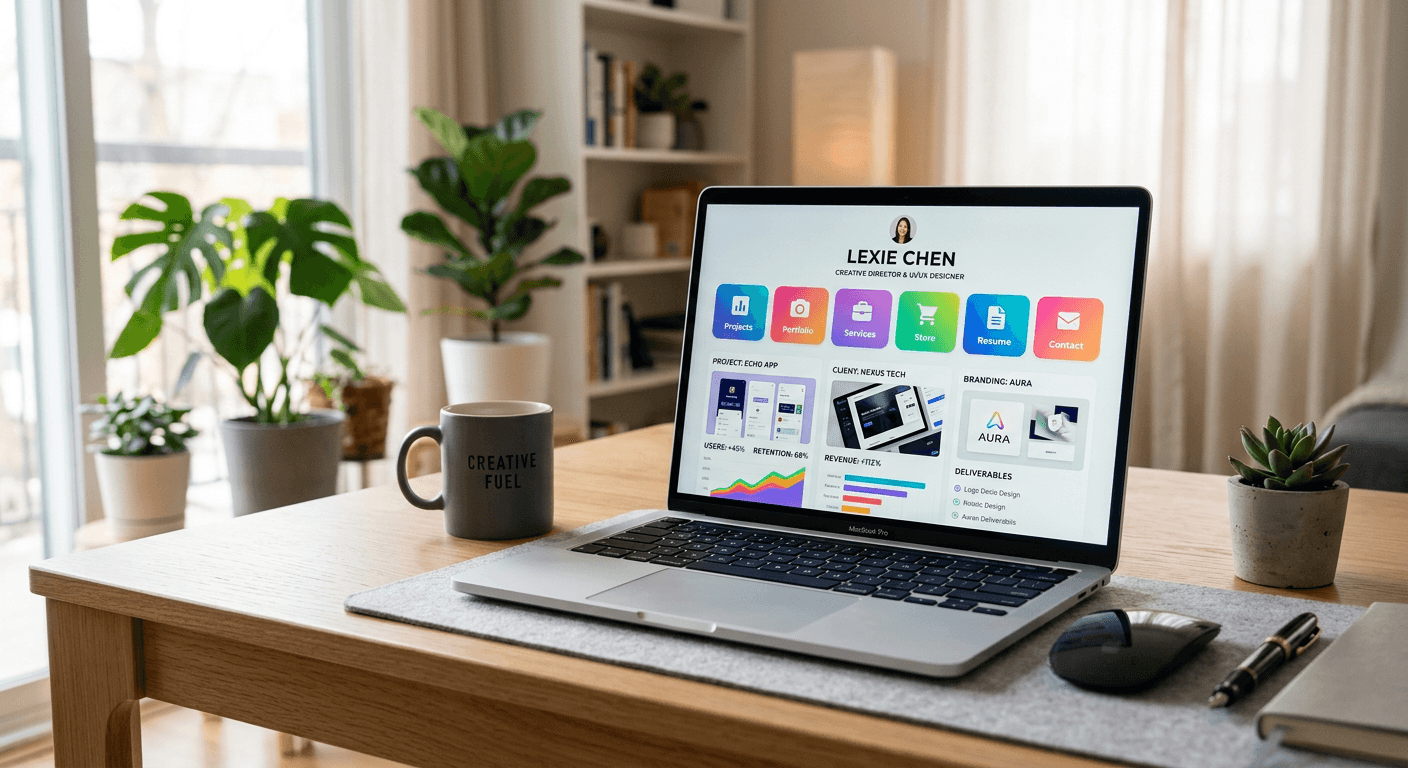
Developing a professional social media portfolio is the single most effective way to demonstrate your strategic thinking, design sensibilities, and analytical skills to prospective employers. In a competitive market where digital presence acts as your primary calling card, a static CV is no longer sufficient; you must present a living, breathing testament to your capability. Whether you are targeting social media roles london or remote positions, your portfolio must articulate your process, your results, and your unique brand voice.

Quick Summary {#quick-summary}
A professional social media portfolio is a curated digital showcase of your strategic campaigns, content creation skills, and data-driven achievements. It bridges the gap between theoretical knowledge and real-world results, helping candidates secure competitive social media marketing jobs by demonstrating proven expertise rather than just listing job titles.
- Showcase your best campaign results and metrics.
- Highlight your technical skills and platform expertise.
- Provide context for your creative decision-making.
- Use a professional, mobile-responsive layout for easy access.
Table of Contents {#table-of-contents}
- Selecting Your Best Work
- Structuring Your Digital Portfolio
- Translating Metrics into Tangible Value
- Common Pitfalls & Troubleshooting
- FAQ
- Recommended Reads
Selecting Your Best Work {#selecting-your-best-work}
When curating content for a social media portfolio, quality consistently outweighs quantity. Employers are not interested in seeing every post you have ever scheduled; they want to see the specific campaigns that solved a business problem, increased engagement, or grew a follower base. Begin by identifying three to five major projects that highlight your range. If you are aiming for a social media marketing internship, choose projects that demonstrate your ability to execute a brief accurately and maintain brand consistency across different channels.
To make your selection more impactful, organise your work by objective rather than by date. For instance, group projects that focus on 'Brand Awareness' separately from those focused on 'Lead Generation' or 'Community Building'. This approach allows hiring managers to immediately identify your strengths. Ensure you include a mix of static graphics, short-form video, and long-form written captions to prove you are a multifaceted creator who understands the nuances of different social formats.
Structuring Your Digital Portfolio {#structuring-your-digital-portfolio}
Your digital portfolio acts as a landing page for your professional identity. Start with a succinct 'About' section that outlines your specific expertise - such as influencer relations, copywriting, or video editing - followed by your carefully curated project gallery. Each case study should follow a standard 'Challenge, Strategy, Execution, Results' format. This structure is intuitive, allowing recruiters to understand how you think rather than just what you produced.
Pro Tip: Always include a 'Results' section for every case study. A beautiful graphic without performance data is just art; a graphic accompanied by a 20% increase in click-through rate is a marketing asset. Quantify your success wherever possible to provide social proof of your professional impact.
Ensure that your social media manager portfolio is mobile-responsive. Given that most recruiters will view your links on a mobile device, your page speed and visual layout must be flawless. Use high-quality mockups and ensure that all external links to live social pages function correctly. A clean, branded landing page is far more impressive than a bulky PDF that takes too long to download.
Translating Metrics into Tangible Value {#translating-metrics-into-tangible-value}
Data storytelling is what separates junior applicants from senior strategists. When discussing a project in your digital marketing portfolio, do not just state that a post 'did well'. Instead, explain the 'why' behind the results. Did your change in tone of voice lead to a higher comment rate? Did you use a specific hashtag strategy that resulted in higher organic reach? By linking your creative choices to specific analytical outcomes, you demonstrate a deep understanding of marketing mechanics.
Commonly tracked metrics should be presented in context. Mentioning that you reached 10,000 impressions is less meaningful than explaining how that figure represented a 40% growth over the previous quarter. Furthermore, describe the tools you used to achieve these results. Whether you relied on native platform analytics or professional third-party software, mentioning these tools signals to employers that you are ready to hit the ground running with minimal training.
Common Pitfalls & Troubleshooting {#common-pitfalls-&-troubleshooting}
One frequent mistake is failing to remove expired content or broken links. Before submitting your portfolio, test every link to ensure your work is still live and accessible. If you worked on a project under an NDA (Non-Disclosure Agreement), do not break your legal obligations; instead, create a 'mock campaign' for a fictional brand. This demonstrates your creative process and strategic capability without violating confidentiality.
Another pitfall is including too much personal content. Keep your portfolio focused exclusively on your professional marketing skills. Avoid adding social media feeds that are purely personal or unrelated to your career goals. If a specific project was a failure, do not hide it completely; instead, frame it as a 'Learning Case Study' where you explain what you learned and how you would change your approach in the future. This shows self-awareness and professional maturity.
FAQ {#faq}
Do I need a custom domain for my portfolio?
While not strictly required, a custom domain adds a layer of professionalism that differentiates you from other candidates, showing you are serious about your personal brand.
What if I have limited experience?
Focus on 'passion projects' or pro-bono work for local businesses. A well-executed campaign for a local charity is just as valuable in a portfolio as a massive corporate project.
How often should I update my portfolio?
Aim to update your portfolio every three to six months or whenever you complete a project that demonstrates a new skill or achieves a significant milestone.
Can I include video content in my portfolio?
Absolutely. In the current landscape, video content is essential. Use embedded players to showcase your best TikTok or Reels content directly within your case studies.