How to Build a Professional Social Media Portfolio in 2026
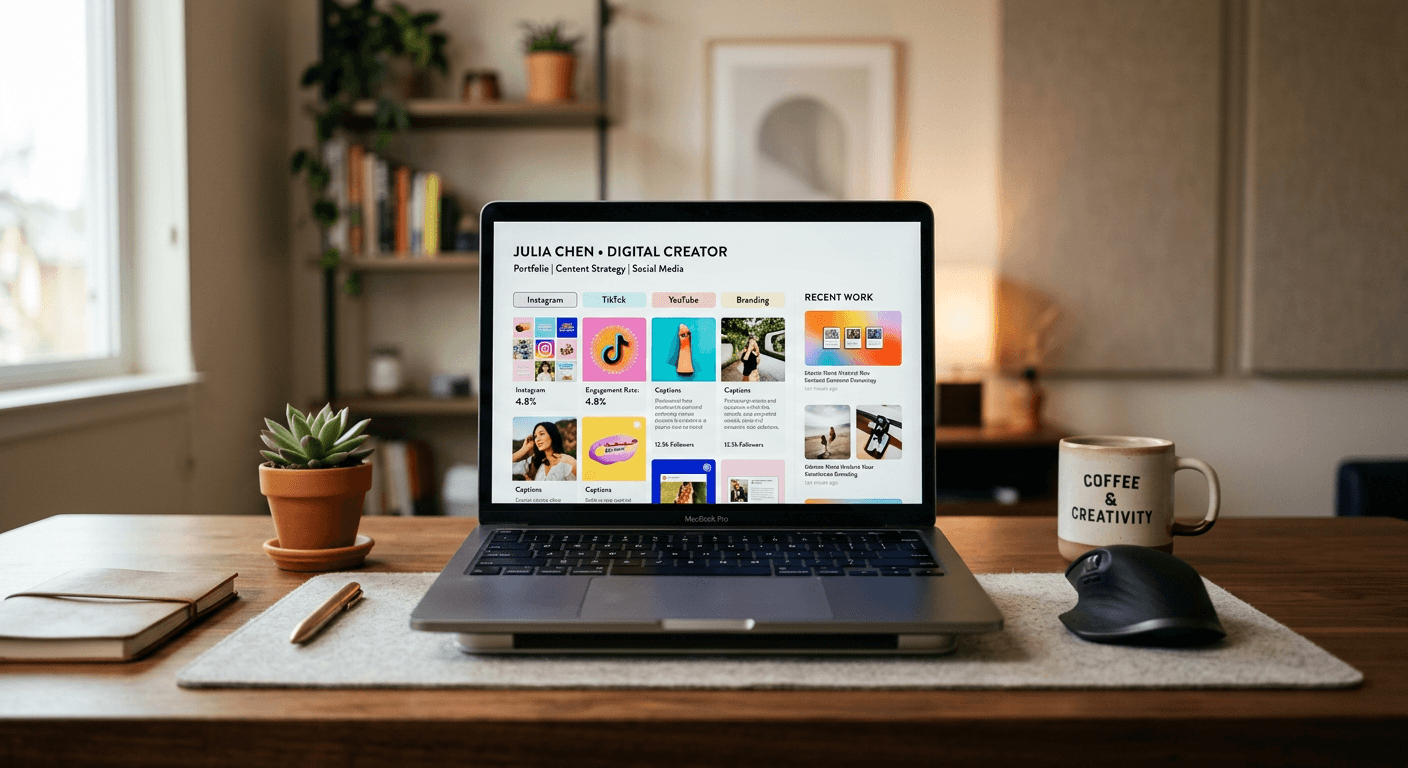
Building a standout social media portfolio in 2026 isn't about slapping together a few pretty screenshots and calling it a day. It is about proving you understand the chaotic, ever-evolving ecosystem of digital attention. If you ask me, most candidates lose the game before they even hit send on their application because their work lacks context. They show you the 'what' but leave out the 'why'. Honestly, it is a rookie mistake to treat your professional presence like a static gallery when it should be a living, breathing case study of your strategic brain at work.
Quick Summary {#quick-summary}
A social media portfolio is a curated digital collection showcasing your best campaigns, analytics-driven results, and creative assets to demonstrate expertise to potential employers or clients. It bridges the gap between raw talent and measurable professional impact through strategic storytelling.
- Focus on measurable results, not just aesthetic design.
- Curate for the specific role you desire.
- Explain the strategy behind every creative decision.
- Keep navigation simple and mobile-friendly.
Table of Contents {#table-of-contents}
- Designing Your Social Media Portfolio
- Crafting a High-Impact Digital Marketing Portfolio
- Selecting the Best Social Media Portfolio Examples

Designing Your Social Media Portfolio {#designing-your-social-media-portfolio}
Think of your portfolio as a mirror. If you want to be hired as a high-level strategist, your social media portfolio needs to look less like a scrapbook and more like a board presentation. Stop obsessing over the feed layout and start obsessing over the data story. Does this specific post design represent a pivot in engagement? Did the copy lead to a measurable increase in click-through rates? If you cannot answer those questions, the piece probably does not belong in your professional showcase.
Refining Your Social Media Post Design {#refining-your-social-media-post-design}
Your visuals serve a specific purpose. They are hooks. When a creative director looks at your work, they are looking for visual consistency mixed with platform-specific nuance. A LinkedIn carousel requires a different visual language than a viral TikTok edit - and that is exactly the point. Demonstrate that you can adapt.
Mastering Social Media Design Tools {#mastering-social-media-design-tools}
Don't just list software like Canva or Adobe Suite. Show the output. Break down your process. Take a screenshot of a draft and place it next to the final, high-performing post. People love a good transformation story. It feels human, relatable, and transparent.
Crafting a High-Impact Digital Marketing Portfolio {#crafting-a-high-impact-digital-marketing-portfolio}
If you want to be seen as a serious professional, you need a digital marketing portfolio that speaks the language of ROI. Marketing managers don't care about how many followers you gained unless you can tie that growth to a specific revenue goal or community-building metric. Here is a hot take: vanity metrics are dead. Kill them off in your portfolio. Focus on the conversion funnel instead.
Essential Components of a Digital Portfolio {#essential-components-of-a-digital-portfolio}
- Case Study Summaries: One paragraph on the problem, one on the solution, and one on the result.
- Raw Data Snippets: Anonymized analytics screenshots that prove your claims.
- Client Testimonials: Social proof is the engine of digital trust.
Selecting the Best Social Media Portfolio Examples {#selecting-the-best-social-media-portfolio-examples}
Searching for inspiration is fine, but don't fall into the trap of mimicry. The most effective social media manager portfolio examples are those that feel distinct to the owner. If your site looks like every other template on the web, you've already failed to show your personality. Add a touch of your own voice. Write your descriptions like you're talking to a colleague over coffee.
Keeping Content Fresh and Relevant {#keeping-content-fresh-and-relevant}
Your portfolio should be a reflection of your current capability, not your past self. Spend one Saturday every quarter updating your case studies. Trim the fat. If a project is two years old and feels stale, archive it. Only keep the work that represents the caliber of job you want to land next. It sounds simple, right? Yet, most people let their sites gather digital dust for years on end.