Social Media Marketing Strategy: Everything You Need to Know
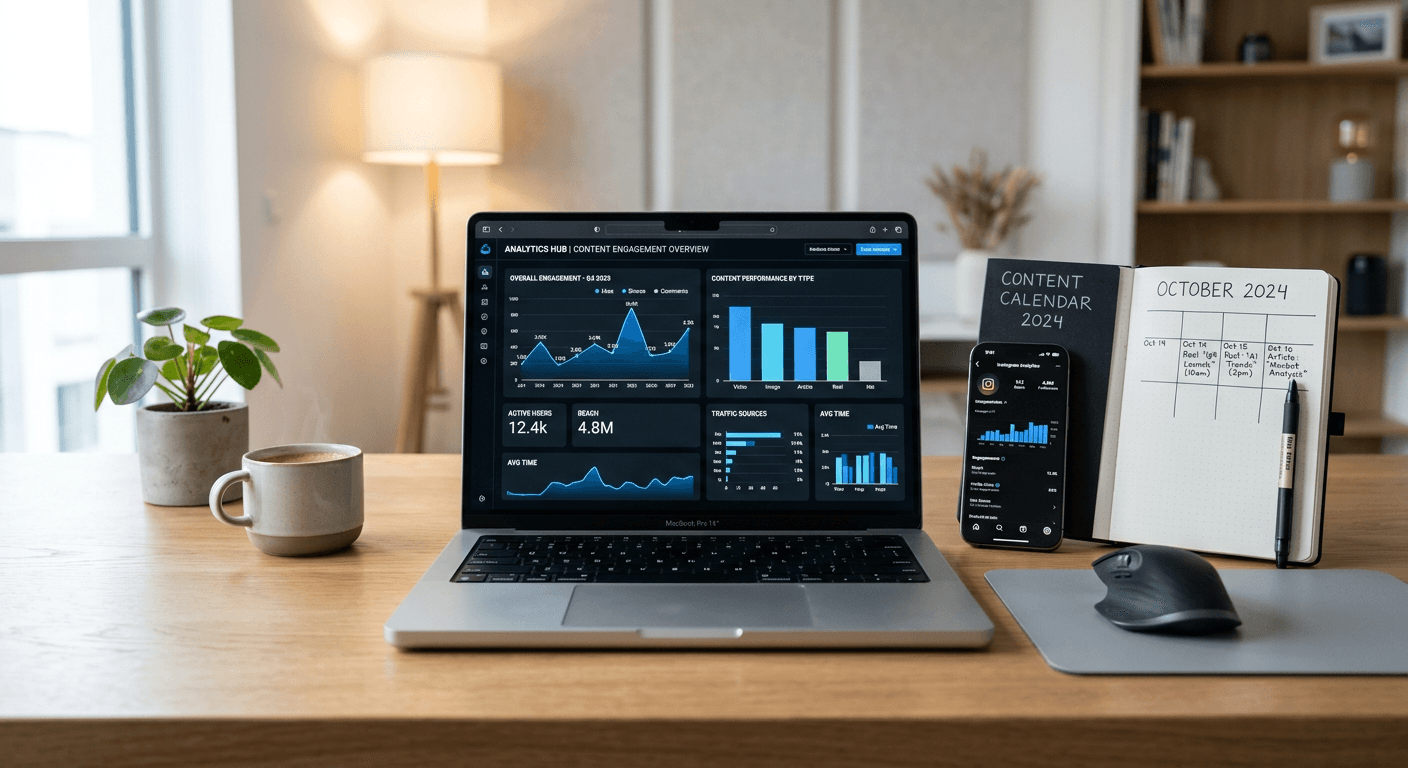
A robust social media marketing strategy is no longer optional for modern enterprises; it is the foundational architecture upon which digital brand identity and customer acquisition are built. By leveraging data-driven insights and platform-specific engagement techniques, organisations can transcend simple broadcast messaging to build sustainable, two-way conversations with their target audiences.
Quick Summary {#quick-summary}
Social media marketing refers to the strategic use of social platforms to connect with audiences, build brands, increase sales, and drive website traffic. Success requires consistent content creation, active community engagement, and data analysis to refine efforts, often orchestrated by a dedicated professional or specialist.
- Align business goals with specific platform metrics.
- Prioritise high-quality content tailored to target demographics.
- Utilise a social media planner to maintain consistency.
- Monitor performance analytics to iterate and improve strategy.
Table of Contents {#table-of-contents}
- Quick Summary
- Foundations of Social Media Marketing
- The Role of the Social Media Manager
- Developing a Sustainable Social Media Planner
- Navigating Evolving Social Media Trends
- Strategic Growth for a Social Media Business
- Frequently Asked Questions
- Recommended Reads

Foundations of Social Media Marketing {#foundations-of-social-media-marketing}
At its core, social media marketing is the practice of creating content tailored to the specific context of each social network to achieve marketing and branding goals. It is not merely about posting updates but about understanding the psychological triggers that drive user interaction. Whether it is LinkedIn for B2B authority or Instagram for visual storytelling, each channel demands a distinct voice and aesthetic to resonate effectively.
To build a successful strategy, one must conduct a thorough audit of current assets and competitors. This involves identifying which channels your audience inhabits and what content formats—be they short-form video, long-form articles, or ephemeral stories—they prefer. Without this foundational clarity, efforts remain scattered and difficult to measure against meaningful KPIs like lead generation or customer lifetime value.
The Role of the Social Media Manager {#the-role-of-the-social-media-manager}
A professional social media manager serves as the digital front-line for the brand, balancing creativity with cold, hard analytical rigour. This role requires the ability to interpret engagement metrics, manage community sentiment, and adapt tone in real-time. By utilising tools found via digital transformation services, managers can streamline the workflow between content production and audience feedback loops.
Beyond posting content, the manager is responsible for crisis management and community building. They must listen to what is being said about the brand and respond in a way that aligns with corporate values. This human element is precisely what separates a thriving brand from a stagnant one, turning casual followers into loyal brand advocates through consistent, authentic interaction.
Developing a Sustainable Social Media Planner {#developing-a-sustainable-social-media-planner}
Consistency is the single most important factor in algorithmic favour. A well-constructed social media planner acts as a roadmap for content, ensuring that themes are balanced and that posting schedules align with peak audience activity. By mapping out content weeks or months in advance, teams can avoid the common pitfalls of reactive, low-quality publishing.
Effective planning incorporates content pillars—the core subjects your brand covers. A balanced content mix typically includes educational material, promotional offers, and behind-the-scenes glimpses that humanise the organisation. Integrating bespoke software development can further assist in automating these schedules, ensuring that the planner functions as a reliable engine for long-term growth.
Pro Tip: Do not treat your social media planner as a static document. Review it every fortnight to pivot based on what content is currently outperforming historical averages, ensuring your strategy remains agile.
Navigating Evolving Social Media Trends {#navigating-evolving-social-media-trends}
Keeping pace with social media trends is a full-time endeavour, yet it is essential for maintaining relevance. From the rise of algorithmic recommendation engines to the increasing importance of social commerce, the landscape shifts rapidly. Understanding when to adopt new formats, such as AI-generated creative or interactive polls, can provide a significant competitive advantage over slower, traditional competitors.
However, it is crucial to avoid 'shiny object syndrome'. Not every trend is suitable for every brand. A social media strategist must evaluate new features against existing audience expectations. If a new trend does not serve the overarching business goal, it should be ignored in favour of initiatives that provide tangible return on investment.
Strategic Growth for a Social Media Business {#strategic-growth-for-a-social-media-business}
Scaling a social media business requires moving beyond manual processes toward scalable systems. This involves standardising reporting, refining creative approval workflows, and leveraging data to justify budget increases to stakeholders. When a business treats social media as a revenue driver rather than an expense, it unlocks new possibilities for growth and market penetration.
Success at scale is often found by focusing on data-driven decision-making. By analysing conversion funnels from social clicks to website purchases, firms can calculate the exact cost-per-acquisition. This insight allows for more precise budget allocation and the ability to demonstrate clear, objective ROI to clients or company executives.
Frequently Asked Questions {#frequently-asked-questions}
How often should a business post on social media?
There is no 'one-size-fits-all' frequency, but consistency matters more than raw volume. Aim for a schedule you can maintain indefinitely without sacrificing quality.
What are the most important social media metrics to track?
Focus on engagement metrics (shares, comments, saves) and conversion metrics (click-through rates, lead generation) rather than vanity metrics like total follower count.
How does a social media strategist differ from a manager?
A strategist focuses on the high-level goals, market positioning, and content architecture, while the manager executes the daily operations and community engagement.
Can social media really drive direct sales?
Yes, especially through integrated social commerce features and retargeting campaigns that move users from social platforms directly into your conversion funnel.